The Handmaid’s tale is a story
about women named Offred living in this dystopian world where this world follows an extreme and militarized version of religion based on the Old
Testament. There was this big attack that killed major political leaders and a
new form of government took over, the Republic of Gilead. In this book, women
are very much oppressed. They aren’t allowed to read/write, speak to men, or
have jobs. They are forced to cover their faces with “wings” that limit their
peripheral vision. They wear long red dressed to hide their body shape. They
have to walk around the town in two’s and even still, they can’t really go
anywhere. These women are only working as handmaid’s because they can still
bear children. Because of pollution, most of the population is infertile. They
then give the children to the rich. Her own child was taken away from her and
given to another family. Also, the readers never learn her real name. She is
reduced to being a womb with the slave name Offred. It is honestly kind of hard
to compare her story to women today. In her world, their country was taken over
by an uprising. This story is more of a philosophical dystopian novel rather
than philosophy that we can compare to
the everyday lives of women. I really enjoyed this book as a dystopian story
with some elements of feminism, but I would not recommend this for women who
want to read a feminist novel.
Wednesday, May 30, 2018

Listen Up: a review
In Barbara Findlen’s book, Listen Up: voices from the next feminist generation, Findlen combines multiple essays from different young feminists to give an insight into the multiplicity and complexity of womanhood. Many of the feminist writers she sources come from different backgrounds. There are essays from writers with experiences with race and ethnicity, sexuality, sexual violence, and the workplace. Similarly, she includes essays about beauty standards, religion, diversity, tradition, and politics. Findlen uses this combination of essays to allow young feminists to have a voice and a way to express themselves within the world. Barbara Findlen’s Listen Up: voices from the next feminist generation must be read by anyone who considers themselves a feminist. Barbara Findlen examines feminism throughout time and realizes, “we do not yet live in a society where each child is free to become his or her best self. This is our unfinished business” (Findlen xvii). For each young feminist out there who does not feel that they are represented within the media or the feminist movement, Listen Up is a great read. The book is controversial and non-traditional, which suits the new wave feminists and the modern feminist movement in America. Personally, when I read the book, while I could not finish the entire thing, I found myself wanting to stop time and read more. The essays were shocking and controversial and talked about all of the things school has taught me not to talk about. If you consider yourself a feminist, if you want to read something refreshing and different, read Listen Up.
Herland is not our land
Book
Review by Luciano Ferrato
Herland,
written by Charlotte Perkins Gilman, is a masterful combination of a utopian
sci-fi novel where she distinctly grapples with the idea of a true utopia only
containing women. From the first page I am enthralled by the instant imagery of
a lost land that resists documentation. Three main characters, Van, Terry, and
Jeff, travel to a utopia of athletic, intelligent, and understanding women.
There, they come to question the fashion in which their own society functions
and its tolerances of inequality, disease, and hate. From the first chapter the
men’s callous stereotypical conjecture of “that country-if there was one—was
just blossoming with roses and babies and canaries and tidies…[or] a sort of
sublimed summer resort—just Girls and Girls and Girls” (Gilman 133). Gilman’s
language engrosses me as she creates a realistic dialogue that carries the tone
of man’s stereotypical presumptions and ignorance of a female society. In the
presence of equality, the male characters societal standards and beliefs
discredit their character highlighting man’s flaws. Gilman challenges the
societal beliefs and perception of women as subservient to men, their naïve lesser,
weaker, and dependent on their strength and insight through a direct and
meticulous comparison through a reality that explores women’s full potential. Gilman’s
novel is a highlight of my readings this year for its twist on traditional
utopian novels and the societal connotations concerning the oppression of women
and their potential when free from constrains of cultural marginalization and
subservience to men. This novel is a necessary read for those who wish to
inspect the culture we live in and question the putrid facets of our society
and why we tolerate them. Its exploration of stigmas and stereotypes affiliated
with women is perfect for those delving into their own beliefs and looking at
their origins and potential implicit unjustness. Overall, this is a wonderful
novel, stimulating the brain and imagination alike through its provocative
suggestions. It is easily imaginable through its meticulous and vivid language transpiring
into a cognitive feast for the brain and an evocative novel for women, men, and
others alike.
Works Cited
Gilman, Charlotte Perkins. The Yellow Wallpaper and Other
Writings. Random House Publishing Group, 2000.
Bad Feminist Review
Roxanne Gay’s novel, Bad Feminist, is a collection of essays
that address an incredible incite on not only feminism, but also intersectionality
in the United States. This is not just another analytical book about how the
male species suck and women rule, but rather her own experience of being a
woman in our society. Gay dives into her own experiences with feminism and intersectionality
throughout her life as not only a woman, but also a woman of color in her collection
of essays. She uses humor, irony, pop culture references, empathy, compassion,
you name it. Gay’s personality shines through these essays, with a voice that is
both relatable and refreshing. She embraces the ‘Bad Feminist’ label given to
her and rolls with it, as she talks about herself, gender and sexuality, race
and entertainment, politics, gender, and race, and concludes with herself once
again. She opens the book with an introduction on feminism, and states, “The
cultural climate is shifting, particularly for women as we contend with the
retrenchment of reproductive freedom, the persistence of rape culture, and the
flawed if not damaging representations of women we’re consuming in music,
movies, and literature,” (Gay ix). She dives into how the media depicts women
in such a negative manner, rarely getting the attention or opportunities to
matter. In her first chapter, she talks about online dating, to who is depicted
in the media, to her experiences as an adviser of the black student
association. She touches on issues people get too afraid to bring light to,
which is the only way we will be able to fix the inherent issues within our
society. She talks about how white men become defensive after pointing out
their inherent privilege. Those with privilege should understand and
acknowledge that they have privilege, according to Gay. They should be aware of
their social, political, and economical privileges, whilst also realizing that
there are people who are different from them and have experienced something they
will never be able to understand. Gay also brings light to what it means to be
human. In her essay, Not Here to Make
Friends, she talks about as a child; she was seen as mean and aggressive
for speaking what is on her mind. “[She] was being honest (admittedly, without
tact), and [she] was being human. It is either a blessing or a curse that those
are rarely likeable qualities in a woman,” (Gay 84). It is understood in our
society that when a girl is unlikeable, she is the problem. In the media, women
will declare, “I’m not here to make friends,” in order to establish that they
are only here to do what they need to do in order to win whatever award, man,
or exposure they need to give them however much fame they want. They are
freeing themselves from the chains of society and likeability, and there is
nothing wrong with that.
You do not have to be a
feminist to read this book. In fact, everyone should read this book, because it is a modern collection of essays
written by a woman that touches on issues people are too afraid to talk about,
with a sense of humor and intimacy. The book is thought provoking and addresses
a story of identity, coming from a woman of color in our society today. This
book can give insight on what it means to be a human, a woman, and a person of
color in our society today.
Tuesday, May 29, 2018
Wide Sargasso Sea Book Review
~ Wide Sargasso Sea ~
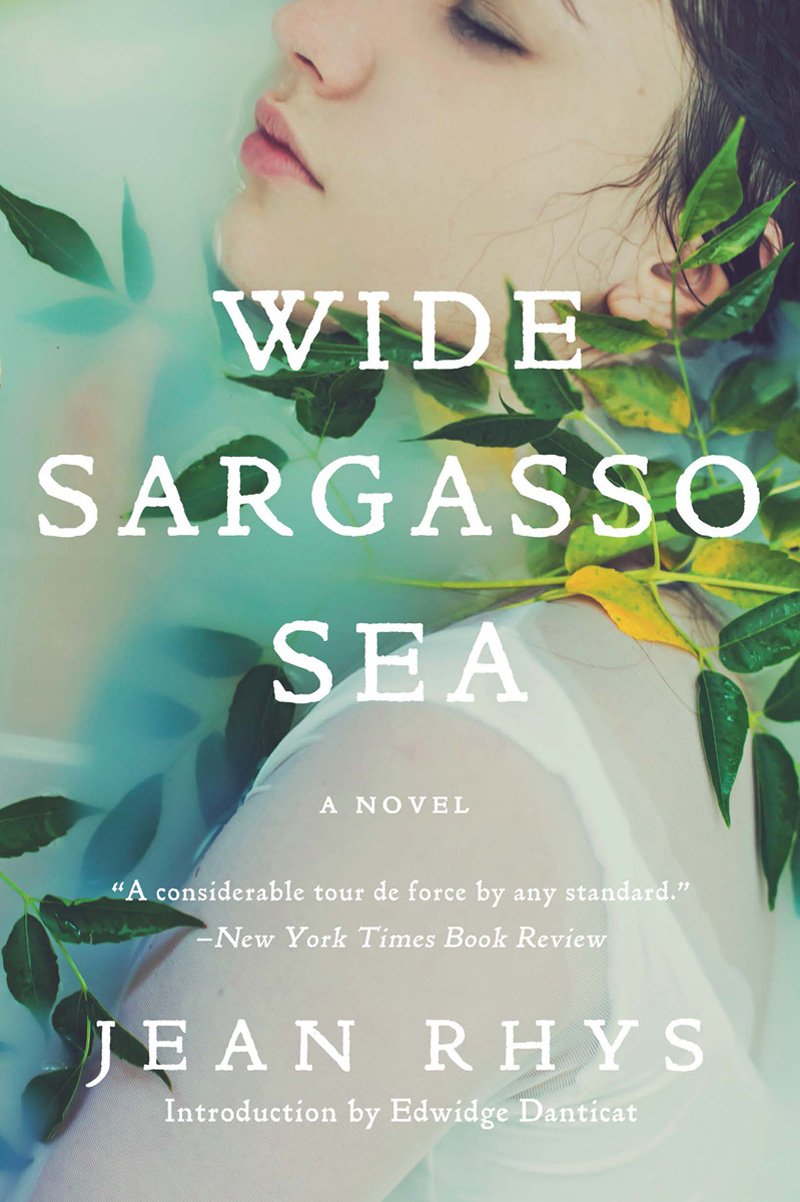
Our world today faces many problems and it seems that sometimes, the best way to inform people about these problems is through literature. Throughout our intensive, In the Footsteps of Seneca Falls, we learned that even a one-stanza poem by Emily Dickinson could have the same amount of hidden meanings and important messages as an actual book.
Novels like Wide Sargasso Sea are important to read because they give us context about problems from the past and ones that are prevalent in the society we live in. Wide Sargasso Sea is about the life of a Creole girl named Antoinette Cosway who lives near Spanish Town in Jamaica. Antoinette’s mother, Annette, decides to marry a man because their estate is very rundown and the family is in dire need of money. Marrying for financial support and stability was a commonly discussed topic throughout our intensive and is an important part of the history of women and our fight to gain equality. However, it is very difficult to be equal to men and remain financially stable when you are limited to working in your own house.
The novel also focusses on the effect that a person’s race can have on their life. Throughout Antoinette’s childhood, people taunt and criticize her because she is Creole and because her now deceased father was a slave owner. Antoinette is even made fun of by one of her playmates named Tia who ends up calling Antoinette a racial slur, steals Antoinette’s fancier dress when she is in a pool, and then Tia leaves her dingy dress for Antoinette to wear home. She also faces criticism when she is walking home because other children follow her and call her a “white cockroach”. Unfortunately, this is just the tip of the iceberg for Antoinette.
The threats and criticism continue to worsen until the villagers build up so much hatred that they decide to set Coulibri, her family’s estate, on fire. As a result, her brother dies and Mr. Mason, Antoinette’s stepfather, isolates her mother because he thinks she has gone mad, by sending her to an island to be cared for by people of color. Therefore, Antoinette lives in a convent for a year and then with her Aunt Cora until she marries a man that her stepfather picks for her which brings us back to the role that many women played in society because Antoinette’s stepfather signs over all of her wealth to her husband so that he will marry her. Their marriage is very complicated, lustful, and scandalous because Mr. Rochester, her husband, cheats on Antoinette with a maid in order to get back at her because she had a spell cast on him in hopes for an improvement in their marriage.
Mr. Rochester ends up forcing Antoinette to move to England and isolates her on the top floor of their new house, which is almost a direct parallel to her mother’s situation when Mr. Mason sends Annette away. Antoinette decides to take her life into her own hands for once and… Read the book to find out!!! :)
You should read the book to read about what happens to Antoinette and to read about the societal problems of racism, sexism, and much more that Antoinette and many other women are forced to face on a daily basis. Even though we can never fully understand something until we experience it ourselves, it is important to read stories like this about oppression so that we can reflect upon them and create change throughout the world.
Ms. Marvel: No Normal Comic Book Review
For this course, I
read the Marvel graphic novel Ms. Marvel: No Normal, written by G. Willow
Wilson and illustrated by Adrian Alphona. The book centers around Kamala Khan,
a Muslim girl living in Jersey City whose parents are Pakistani immigrants.
Kamala loves Marvel superheroes, so when Captain America, Iron Man, and Captain
Marvel visit her, she is in awe. When Kamala herself acquires some superhero
characteristics, she is excited, but also unsure of how to use her new powers.
Kamala feels caught between her identity as a high school student with
overprotective parents and her superhero alter-ego, Ms. Marvel. She eventually
decides to help her best friend Bruno save his brother, Vick, from the evil
Inventor. The book is the first in a series, so I'm excited to continue
following Kamala and her adventures as Ms. Marvel.
I don't normally
read graphic novels or comic books, but Kamala's story appealed to me because
she doesn't fit into the stereotypical superhero mold. I think it's great that
Marvel is trying to diversify its superheroes, and making Kamala a Muslim
Pakistani-American high school student is a fascinating example of
intersectionality. I love how the comic fearlessly explores topics like gender,
race, and religion through Kamala's point of view. I even found myself laughing
over some of the experiences she has as a high school student because I found
that I could often connect with her experiences. To me, Kamala is also a very
agreeable character, which made me excited to root for her and eager to read
more!
The Handmaid's Tale Book Review
The Handmaid’s Tale by Margaret Atwood is a chilling story about the intersection between religion and reproduction. In a country with alarmingly low birth rates, protagonist Offred lives in the Republic of Gilead as a Handmaid where her sole purpose as a woman is to reproduce children for the Commander whom she serves. In Gilead, women cannot have friendships, read, wear revealing clothing, and the color of their dresses signify their marital status. Sex is not pleasurable, but necessary merely for reproduction. Doctors and scientists who supported abortion before the war between Christian denominations are hanged in public to set an example. Ironically, the seemingly smooth change from a normal 1980s Western society to a mechanical, orthodox Catholic society prides on ridding the world of its disgusting sexual violence rates, despite perpetrating societal beliefs that a woman’s value as a human is based on her ability to have children. This is seen when Offred mentions that women who cannot reproduce are sent to the colonies as “Unwomen.” Throughout the book, this new society depicts disgusting scenes in which the “Aunts,” nuns who condition women into becoming silent, obedient Handmaids, reduce Handmaids-in-training to objects. For example, Aunt Helena places blame onto victims of rape, not the rapist, insisting that the victims "led them on” (Atwood 72). Therefore, God punishes women with rape to teach them a lesson.
As Offred reflects back to her old life with her husband and daughter in a free society, there is a haunting distinction between the freedoms of her old life compared to the restrictive, woman-hating society she lives in now. The way society shifts so plainly made me wonder just how easy it is for an entire country to change the way in which it functions, especially since other countries like Japan seemed to retain its ways in the book despite the war. Because today discussing topics such as victim blaming, toxic masculinity, and abortion has become normalized in my community, it is eye-opening to remember the Republic of Gilead is still the reality for many women in 2018. The Handmaid’s Tale painted a stark image of the role of women in religion who are always antagonized. In connection to the Seneca Falls intensive, the novel allowed the reader to step in the shoes of American women of the past before the suffrage movement through the perspective of Offred. I thoroughly enjoyed the 100 pages I read and would definitely recommend it to anyone who is interested in women's rights.
The Communist Manifesto: A Feminist’s Take
When
thinking of feminist texts, one rarely thinks of the famous work by Karl Marx
and Friedrich Engels, The Communist
Manifesto. Although the writings focus on the class struggle of the
Bourgeoisie vs the Proletariat, it gives an incredibly interesting insight on
the place of women in a capitalist society.
First,
the manifesto focusses on what Marx calls, “the greatest defeat of the female
sex.” This is cited as the patriarchal colonial defeat of the native matriarchal
cultures. This led to the patriarchal system as we know it. The Manifesto also addresses
the woman’s place in the household. In the first few pages, Marx identifies the
bourgeoisie as taking any sentimental value from marriage and replacing it as
solely a money relation. He writes that in marriage, wives are viewed as
nothing more than a producer.
Although
it may seem outlandish, I advise every self-proclaimed feminist to read The Communist Manifesto. This reading
not only details the benefits of communism, but more importantly critiques life
in capitalist cultures. I recommend reading
the manifesto with the mindset of thought, and I suggest analyzing Marx and
Engel’s writings as ideas rather than truths. This can reveal a deeper truth of
a woman’s place in a capitalist society and how the bourgeoisie has used money
and power to oppress women and minorities. I believe this is an essential
reading for anyone who is interested in delving deeper in to the economics of
being a woman, and their value in a capitalist state. This can help anyone gain
insight into how women are treated and valued in the United States and in
similar economies.
The Red Tent Review
Anita Diamant’s The
Red Tent, a captivating novel surrounding the lives of the women in the patriarchal
bible, shows the other side of all of the traditional stories of Christianity. The
story revolves around the red tent, where women would go every month to bleed,
give birth, and nurse. As such an essential part of life yet clearly not
mentioned in the bible, the novel sheds light on the unappreciated life-giving
work women were doing at the time.
Dinah, the only daughter of Jacob, is the narrator,
recounting her childhood days with Jacob’s wives, her mothers, in the red tent.
The novel begins when Jacob takes interest in Rachel, one of the four daughters
of Laban. Scared of her wedding night, Rachel convinces her sister Leah to
marry him in disguise, who consequently becomes pregnant and has Jacob’s first
son, and many others after him until she has Dinah. The first book tells the sisters’
stories of their lives and marriage, while in the second Dinah describes her
life in the succeeding generation. In a culture of extreme patriarchy, the
women struggle to serve their husbands and provide sons; yet preserve the
unprecedented secret of their reproductive health. In the tent, which no men
can go near and where all of the women take refuge each month, a sisterhood is
formed that creates a culture of their own.
The Red Tent is a
fascinating and intimate look at ancient history that is eye opening to read,
but is relatively graphic. I would highly recommend this book to people in high
school or older, but maybe not younger, depending on the reader’s maturity
level.
The Handmaid's Tale Review
The Handmaid’s Tale by Margaret Atwood takes place in a dystopian future heavily influenced
by Christianity where women have little to no rights. The main character in the
novel is Offred, even though that is not her birth given name. She has frequent
flashbacks to her life prior to living in this society where she, her husband,
and their daughter lived happily. In this futuristic civilization, women are
only valued for their ability to procreate. She and the other women are not
allowed to read, write, have romantic relationships with men or women, and much
more. Though I have only read about one-hundred pages, it seems that the
reasoning behind this society is partly to prevent rape against women. However,
these women are taught that when a woman is raped, it is her fault. Men and
women are not even allowed to directly look at each other. There are harsh
consequences for breaking the rules; the main consequence is being hanged on a
wall for all to see. The fact that punishment is publicly displayed encourages
others to abide by the rules, so they will not have to face the gruesome
penalties. Finally, there is a Commander, who is the head of each household of
women. Even though this society seems set up to prevent rape, the Commander has
sex with the women in the house in hopes of impregnating them. The women never
actually consent to this; it is just how the society operates. However,
pregnancy is envied and women yearn to become pregnant. I would definitely
recommend this book to friends as well as anyone who is interested in women’s
rights because this story is an incredibly creative way of exaggerating the
patriarchal society that America, as well as many other countries, are. It is
probably more suitable for mature audiences, but it is not overly sexually
explicit and the racier scenes are necessary to convey the overall message of
the novel. I will definitely finish this book over the summer.
Half the Sky: Review
.jpg)
Written by Pulitzer Prize winners Nicholas
D. Kristof and Sheryl WuDunn and published in September 2009, Half the Sky is a non-fiction work which
deals with the exact issue that its subtitle proclaims: Turning Oppression into Opportunity for Women Worldwide. The book
deals with themes of maternal mortality, the lack of education for girls, sexual
violence and rape, sex trafficking, and others, arguing that each of these
facets contributes to the greater systemic, legal and cultural oppression that
women are unfairly likely to face in the third world. Half the Sky is gripping, detailing the travels of Kristof and
WuDunn to varying developing countries to better understand on a personal level
the immense struggles of women who face abduction at an early age, forced
prostitution, and contraction of sexually transmitted diseases―eventually
attempting to leave the brothels that trap them, only to find that stigma and
illness means there is no world for them on the outside. True stories of rape
make appearances in later chapters, culturally connected to the practice of honor
killings. Before the turn of a hundred pages, the book also details the lives
of women who suffer from death or injury during birth giving due to the lack of
hospitals or adequate funding for prenatal care. When the women that find success
in giving birth do so, it is often unfortunate that―without education or aid―the
cycle of many of these issues simply starts anew. For me, Half the Sky represents an increasingly pertinent call to action. Though
many of the solutions to the issues the book presents are found toward the end
of its pages, one will find that even the power of one story alone is enough to
inspire a need for change within the reader. Personally, whether out of captivation
by the material or out of moral obligation to hear these stories told, I found
many moments where I simply could not put the book down. Extending my deepest
honesty, I would count this book as a must-read for anyone who would find
themselves even remotely persuaded to action by the global injustices that
befall countless women around the world.
Unbearable Lightness book review
Unbearable Lightness, the vivid autobiography of Portia de Rossi, artfully relays the true experience of the author's struggle with the film and modeling industries and their heavy impact on her social anxiety, eating disorder, and sexuality. From the very first page, I was completely enthralled in a graphic account of an episode of restriction, binge eating, and the subsequent unbearable guilt, horrifying to even read out loud to myself. The last few lines of the prologue are haunting as de Rossi describes her overpowering shame: "I'm alarmed by the silence; the voice has stopped. When it's quiet in my head like this, that's when the voice doesn't need to tell me how pathetic I am. I know it in the deepest part of me. When it’s quiet like this, that’s when I truly hate myself” (8). From these evocative words, de Rossi launches into the first chapter, starting with memories from her first major show, Ally McBeal, that will spark her into Hollywood fame as well as deepening her body image issues and paranoia about her sexuality. Although de Rossi gives a sarcastic, almost nonchalant account of her deep anxiety, her writing style merely emphasizes the almost crazed person she was during her time trying to jump start her acting career. The fact that she never questions the cruel Hollywood standards of women, never once disputes the harsh critiques of her body made by a toxic industry, never even doubts her own mother’s harmful urging of unhealthy dieting, all of these silences make de Rossi’s story more painful to read and wipes away the glitz and glam of the film and modelling industries to reveal an ugly undergrowth. The undergrowth being a monstrous dark hand controlling the way women look, act, and think, and glamorizing it to the point where participants in the game that is Hollywood become self-obsessed and paranoid about breaking those standards. I highly recommend this book to any amateur looking to pursue modelling or acting because de Rossi's story is representative of a problem with Hollywood and the industry. In a short 100 pages, de Rossi has completely caught my attention with her retelling of the beginnings of her career and her personal struggles with body image issues, breaking into the film industry, and coming to terms with her sexuality. I’m intrigued to read more about de Rossi’s story and her rebirth from her fall.
Monday, May 21, 2018
day 3
On the third day of our trip, we went to Edith Wharton’s home
in Lenox, MA, visited Mount Holyoke College, and went contra dancing in
Amherst, MA. This was one of the most eventful and fun days in my opinion
because we got to see the home where the author of the book, House of Mirth, not only lived, but also
where she wrote the book. The house was very large and beautiful, and it was
interesting to hear about its history. Next, we went to Mount Holyoke College,
the college that Emily Dickinson, renowned poet, attended. It was fascinating
to hear about her everyday life and personality when she was at the school. It
was also interesting to visit the school’s archive because we were able to look
at and touch, textbooks, scrapbooks, etc. that were used during the time that
Emily Dickinson was at the school, meaning they were from the 19th
century. Finally, contra dancing was a great experience because it was
something that none of us had ever done before, and a lot of us were not
looking forward to it. However, once we all got into it, it turned out to be
really fun. We also got the chance to meet Veronica and befriend her, which was
an experience that none of us could have ever expected, but it was an extremely
valuable one.
Visiting The Mount
We had started off the third day of our at the home of Edith Wharton, also known as The Mount. When our class got off the bus, we saw a moderately sized building and immediately thought that this was her house, but we were wrong. Our guide told her that this was actually her ranch and her house is much bigger. We walked along a dirt path with tall trees looming over us, guiding our way, until we saw it. This wasn’t a house, it was a mansion! With the help of our guide, we explored her house. There was actually a lot of similarities with her and the character Lilly Bart. Both had a love for luxury and hated New York City. Afterward, we had lunch on the picnic benches near her ranch. Our class then headed to Mount Holyoke. A small college for women where Emily Dickinson spent her first year of college. We meet with a professor who explained to us how Emily spent her year there and we speculated she left. Then we got a special look at the Mount Holyoke achieve collection. In archives, we learned what a women’s college looked like in the mid-1800’s and Mary Lion’s effort to collect donations and found this school.
Sunday, May 20, 2018
Seneca Falls Scavenger Hunt
There were high expectations on day number two because of the outstanding dinner cruise that we were on the night before. To our amazement, the second day was even more fantastic than we had anticipated! In the afternoon we were given the task of completing a scavenger hunt checklist. Here is a video of the people, places, and things that we found for the scavenger hunt! :)
Day #2
It's day 2 on our journey in the footsteps of Seneca Falls and we begin the day with a visit to the Wesleyan Chapel. The first women's convention was held at this chapel in Seneca Falls, New York and where the famous Declaration of Sentiments was proclaimed by Elizabeth Cady Stanton. We all had the opportunity to read from the Sentiments at a podium similar to that of the one used at the actual convention. To read from such a powerful declaration, at the very same spot that it was originally delivered was incredible to me because it made me feel as though I was there with Elizabeth Cady Stanton delivering the speech that changed the world. This was the first event that sparked the women's rights movement in the United States, so to be in the same chapel, looking at the same bricks as Elizabeth, reading the same speech she proclaimed, made me feel empowered. The day went on and we had a wonderful lunch at a surprisingly modern café. I had one of the best grilled cheeses of my life, putting me at a loss for words. I also had one of the best lemonades and s'mores bars that I have ever consumed, filling both my stomach and my heart. The meal was so good I even had to send a picture of it to my mom (it was good but not better than what she makes for me). After our lunch we went to the Women's Rights Hall of Fame. I loved wondering around the area, learning more about these iconic women that were a part of the women's rights movement. I really enjoyed the mini scavenger hunt that we had to do as well as nominating women we feel as though should be in the hall of fame. I thought it was especially funny that they nominated Ellen DeGeneres, but she declined it. After our time spent at the hall of fame it was time for our actual scavenger hunt. I was paired with Sophie and Michelle and we all had a fun time. We really finessed that scavenger hunt though, probably have the most quality content. It was really nice wondering around the city, getting familiar with the culture and the area. However, I had a very interesting night after the scavenger hunt. I thought that I lost my debit card, it was in my backpack, so I had a mental breakdown trying to find it and was mistakenly left on the bus for a solid 10 minutes. All was well, Izzy and Emma waited for me by Dr. Ialacci and Mrs. Griffin. I had a wonderful dinner at a nice pizza restaurant along with everyone else in the intensive. I unfortunately got burned by my pizza after the scolding sauce dripped on me when I picked up a slice (I still have the marks). However, I kept bouncing back. Once we got back on the bus I found my debit card and couldn't wait to get to the hotel because it was one of the only hotels we were at with a pool. I ended the night with some of my closest friends listening to some amazing music getting entranced by the water and music. That night we had one of the most stimulating conversations of the entire trip. We started talking about religion, the roles of marriage, child birth, what if the roles were reversed. We talked about so much and I really valued what we talked about that night and it had me thinking about those topics for days. All in all, day 2 was one of the most interesting and stimulating days of our trip for me.
Disclaimer: No photos-broken phone/use imagination please :)
Day 4: Emily
One important moment of day four was visiting Emily
Dickinson’s property where she and her brother, Austin Dickinson lived as neighbors. There we went on a tour of the property, reading poetry in the same
home it was written over a century ago. We explored the significance of the
details of her house such as the rosy wallpaper in her room and the importance
of the windows that let in sunlight around her. Dissimilar to the Edith
Wharton’s house and her brother’s, Emily’s house did not contain romantic
period paintings but rather bright paintings of people enjoying themselves in
accordance with nature. Emily was an individual with tremendous will and
strength choosing to live her own way instead of the norm and made an entire
generation scratch their heads at her wit. History portrays her as a damaged
person, isolated, and alone, but after learning more than what a wiki page
offers and walking through her home, I believe most people look at a
misconstrued picture of her that emerged as a result of her non-conformity to her time. While Emily did have some issues with her eyesight and ailments, she
loved flowers and botany. For choosing nature over social obligations, history
omitted that facet of her life and contributed that chunk of her time to the
development of her wiki description as an isolated woman. Perhaps we are just
ignorant of how we portray people but I history seems unkind to
women who stray from the norm, treating them not as eccentric like men but isolated
individuals that have sad and tragic lives. From the paintings and wallpaper in
her house, it is obvious she was not a cookie cutter but someone who found
beauty and company in nature.
Day 3: The Mount
On Wednesday morning, we got to visit Edith Wharton's home in the Berkshires. Our tour guide walked us through the house and shared history of her life and the building, which gave us a more personal connection to the author. This experience made her novel The House of Mirth even more meaningful and engaging, because we felt like we had gotten to know her.

 The estate was over half a mile across, which began at the stables and finished at the garden. Edith Wharton herself, who was very interested in architecture, designed it in 1902 before moving in with her husband. She was said to have hated the dark Victorian style of the time, and loved to bring light and nature into the house. We got a unique window into her personality through her style;
 very light and welcoming, yet elegant.
She used her love of design and architecture to create her ideal
 world throughout her home. A century later, we got to stand where she stood and see what she touched. The tour guide took us through the formal areas of the house, Edith and Teddy's bedrooms, and the servant quarters.
 The house is said to be haunted, especially by her husband's harsh ghost. We were able to see where she wrote every morning and where she drew inspiration. Often, this was in nature, which was often from her large garden behind the house. After the tour, we had the opportunity to sit on the grass and read from her novel, which was a very special experience.
After our visit we drove to Amherst, where we visited Mount Holyoke College and got to look at their archives from the turn of the 20th century.
Later that night, we went contra dancing, which we were generally apathetic about. However, and I think I can speak for everyone, it was an amazing and heartwarming experience. It forced us to be open minded and accepting, which resulted in pure fun. We also met some amazing locals that I will never forget, and in reflecting we gained important perspective from the group.

 The estate was over half a mile across, which began at the stables and finished at the garden. Edith Wharton herself, who was very interested in architecture, designed it in 1902 before moving in with her husband. She was said to have hated the dark Victorian style of the time, and loved to bring light and nature into the house. We got a unique window into her personality through her style;
 |
 very light and welcoming, yet elegant.
 She used her love of design and architecture to create her ideal
 world throughout her home. A century later, we got to stand where she stood and see what she touched. The tour guide took us through the formal areas of the house, Edith and Teddy's bedrooms, and the servant quarters.
 The house is said to be haunted, especially by her husband's harsh ghost. We were able to see where she wrote every morning and where she drew inspiration. Often, this was in nature, which was often from her large garden behind the house. After the tour, we had the opportunity to sit on the grass and read from her novel, which was a very special experience.
After our visit we drove to Amherst, where we visited Mount Holyoke College and got to look at their archives from the turn of the 20th century.
Later that night, we went contra dancing, which we were generally apathetic about. However, and I think I can speak for everyone, it was an amazing and heartwarming experience. It forced us to be open minded and accepting, which resulted in pure fun. We also met some amazing locals that I will never forget, and in reflecting we gained important perspective from the group.
day #3 - lenox, ma
It's day 3 of our intensive trip around New York and Massachusets, and today we explore Lenox, MA. Starting off, we visited the house of Edith Wharton, one of the authors we have been studying through the course. Visiting the historical house helped us build our views and realize how her lifestyle of luxury shaped her portrayals of the different social classes. After that, it was off to Mount Holyoke Women's college to visit the archives and look at their history and development. These archives were both interesting and inspiring, as there were many "artifacts" that made just as much of an impact that day as they would have decades ago. Personally, I was inspired by a certain zine that had an essay about intersectionality and the dangers of exclusive feminism, and I have been trying to get in contact with the author. We got to go around town for lunch and my friends and I stopped at Insomnia Cookies for a life-changing experience of ice-cream "cookiewiches." After lunch, the class attended a contra dance. Not knowing what to expect, we were somewhat overwhelmed by the initially confusing choreography. However, at the end of our lesson, most [definitely not all] of us were contra dancing like pros. To end the night, some of us took an impromptu trip to a graveyard to see Emily Dickinson's grave with one of the locals. I closed off the night by reading a friend's tarot cards, which, do NOT open up any portals for evil spirits. No need to worry.
- Izzy
watch the day 3 vlog
Saturday, May 19, 2018
Day 2 - Inspirational Speeches
On the second day of our trip, we visited the Wesleyan Chapel located in Seneca Falls, New York, where the first women’s convention was held and where Elizabeth Cady Stanton delivered her famous Declaration of Sentiments. While in the chapel, we had the amazing opportunity to read the Declaration of Sentiments where it was first read, echoing the profound and powerful lines that both invigorated women and inspired them to act against their oppression. Being where Elizabeth Cady Stanton was, speaking the lines she delivered, was like I was seeing double vision: one view of the 300 attendees in 1848 where they were first hearing these enlightening but controversial words and the other view of our class in 2018, feeling some of the same constraints Elizabeth felt when penning her letter to the world. I was especially moved when we got to stand at the podium while speaking inspirational speeches from some remarkable historical women because I was elevated, both mentally and physically, and speaking to a whole church. It made me feel powerful. I thought that this moment was a really powerful one, necessary to deepening our understanding of the first prominent event that spurred the advancement of women’s rights in America. For this reason, I had to touch the walls of this historic building, excited at the prospect that maybe a feminist in 1848 had leaned against the very brick where my hand was. She may not know it, but I know that our experiences had unifying elements.
Day 5: The Harriet Tubman House
Early Friday morning at the hotel, upon hearing we were to visit the Harriet Tubman house, many of us found it difficult to get over our initial sleepiness from a long night prior. Despite my personal inability to stop closing my eyes for long periods of time, I knew there was still some intangible quality of excitement about the air surrounding us. We were ready and eager to see the patch of land where a piece of what could be considered America's most pertinent history was made.
We arrived at the area to be immediately greeted by its serenity. Before the presentation, we sat outside around picnic tables by the pond and read aloud the words of the period we were about to explore--Harriet Tubman's words as transcribed from her plural speeches, along with the voices of her brothers and others.


Pictured above: Images taken outside of Harriet Tubman's house. Unfortunately, we weren't allowed to take photos or video inside the actual home itself (which is not pictured).
One of Paul's quotes on the subject of her wondrous life was one that I instantly recognized as being a perfect amalgamation of the many themes associated with this class:
"It's better to life for a cause instead of just because."
We arrived at the area to be immediately greeted by its serenity. Before the presentation, we sat outside around picnic tables by the pond and read aloud the words of the period we were about to explore--Harriet Tubman's words as transcribed from her plural speeches, along with the voices of her brothers and others.


Pictured above: Images taken outside of Harriet Tubman's house. Unfortunately, we weren't allowed to take photos or video inside the actual home itself (which is not pictured).
Afterwards, the presentation began. Paul, the presenter, seemed to surprise us all with his amiability and entertaining sense of humor. Any lingering bit of sleepiness any one of us would have had would have easily been swept aside by his unique manner of storytelling that was fully educational and fully entertaining. The many facets of Harriet Tubman's life to which I was previously unexposed became clear as he walked us through a timeline of her birth, her youth, her work on the plantation, her injury, her family, her connection to religion, her courageous escape, her many rescues, her marriage, her entrepreneurship, her work in the war, and the many other strides she took that made Tubman such a critical figure in the history of African-Americans and in the history of America as a whole.
One of Paul's quotes on the subject of her wondrous life was one that I instantly recognized as being a perfect amalgamation of the many themes associated with this class:
"It's better to life for a cause instead of just because."
- Ashley
Day #3 - Dancing through the Day
Wednesday was quite an eventful day and possibly my favorite. We started it off by touring through Edith Wharton’s estate. Since she is the author of The House of Mirth, it was interesting to see the place in which she scribed the dramatic tale we are focusing on in this intensive. I found myself marveling over the garden and the beautiful interior design of the home, realizing that it was a clear testament to what wealth meant in the 19th century.

Next, we went to Mount Holyoke College, the all-women’s college Emily Dickinson attended. We met with an Emily Dickinson scholar named Christopher Benfey who told us about her life and answered any questions we had about her. Then we went down to the archives and were fortunate enough to see several artifacts from this time period, varying from Dickinson’s letter about her life at Mount Holyoke College to a zine from the 1990s created by a student there. It was so amazing to catch a glimpse from the past and imagine what life was like for Emily Dickinson whilst standing in the very same campus she spent a year in.

Finally, we ended our day with contra dancing! First we took a beginner’s class to learn how to contra dance step by step. In order to have fun, we had to step far outside our comfort zone because we were dancing with complete strangers, with the ages of all the dancers varying drastically. At first, we were all a little uncomfortable but as time went on we became more accustomed to our surroundings. It was such a unique experience that the “ballroom” almost felt like another world. However, it was incredibly fun despite this, and I’m sure none of us will ever forget it.
 |
| https://i.ytimg.com/vi/-1cPyJWm-g4/maxresdefault.jpg |
Tuesday, May 15, 2018
Bus Ride Movies
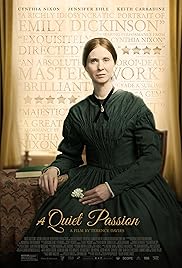
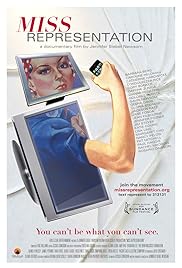
To add to Ms. Griffin and Emma's earlier posts about yesterday, we also watched two movies on the bus ride to Seneca Falls: A Quiet Passion and Miss Representation.
https://ia.media-imdb.com/images/M/MV5BZDNhNDg5ZGItMzA2YS00NDRlLWE2NTItNWQ0OGEwZGIyOTc2XkEyXkFqcGdeQXVyNDU0NjMyNTQ@._V1_UX182_CR0,0,182,268_AL_.jpg

https://static.rogerebert.com/uploads/review/primary_image/reviews/a-quiet-passion-2017/hero_A-Quiet-Passion-2017.jpg
A Quiet Passion was a biographical movie about the life of Emily Dickinson. The movie challenged my previous view of Emily Dickinson as a quiet or reserved woman. She was actually very opinionated and assertive in the film, and it seemed like she was judged by the society around her for her outspokenness.
https://ia.media-imdb.com/images/M/MV5BZTlhMzEzNWQtYWY3Zi00OGE0LTk5NTYtNWFhMWM0MGFkZTRhXkEyXkFqcGdeQXVyMjM3ODA2NDQ@._V1_UX182_CR0,0,182,268_AL_.jpg
https://soc331.files.wordpress.com/2014/05/missrepresentation11.jpg
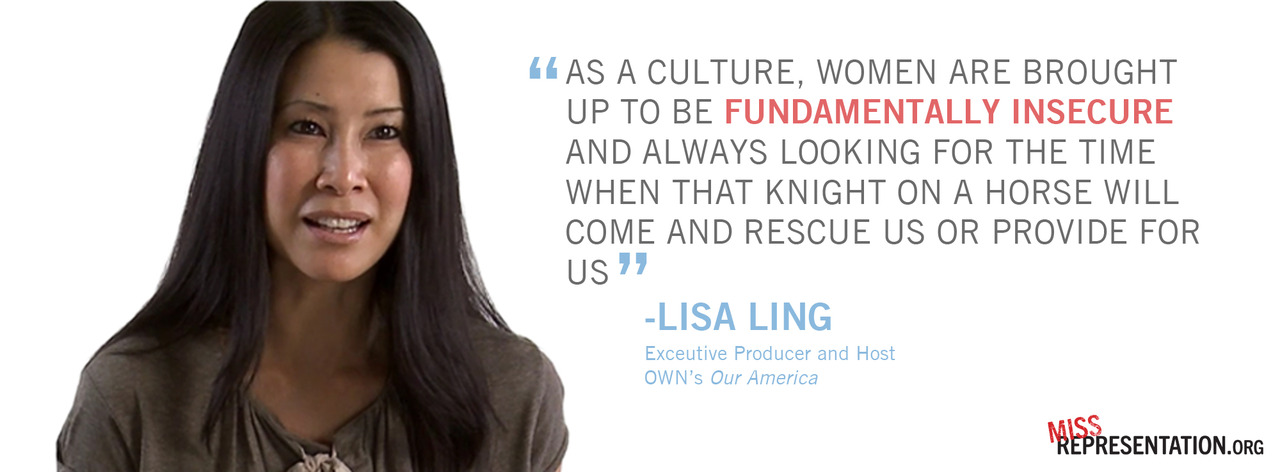
Miss Representation was a documentary about the "miss-representation" of women in the media. The film also connected portrayals of women in the media to the lack of women in American politics. It was an interesting counterpoint to the Emily Dickinson movie because it explored how, much like Dickinson in her day, modern women are still judged and misrepresented in the media for being outspoken and voicing their opinions.
Tomorrow there will be more updates on our trip!
https://ia.media-imdb.com/images/M/MV5BZDNhNDg5ZGItMzA2YS00NDRlLWE2NTItNWQ0OGEwZGIyOTc2XkEyXkFqcGdeQXVyNDU0NjMyNTQ@._V1_UX182_CR0,0,182,268_AL_.jpg
https://static.rogerebert.com/uploads/review/primary_image/reviews/a-quiet-passion-2017/hero_A-Quiet-Passion-2017.jpg
A Quiet Passion was a biographical movie about the life of Emily Dickinson. The movie challenged my previous view of Emily Dickinson as a quiet or reserved woman. She was actually very opinionated and assertive in the film, and it seemed like she was judged by the society around her for her outspokenness.
https://ia.media-imdb.com/images/M/MV5BZTlhMzEzNWQtYWY3Zi00OGE0LTk5NTYtNWFhMWM0MGFkZTRhXkEyXkFqcGdeQXVyMjM3ODA2NDQ@._V1_UX182_CR0,0,182,268_AL_.jpg
https://soc331.files.wordpress.com/2014/05/missrepresentation11.jpg
Miss Representation was a documentary about the "miss-representation" of women in the media. The film also connected portrayals of women in the media to the lack of women in American politics. It was an interesting counterpoint to the Emily Dickinson movie because it explored how, much like Dickinson in her day, modern women are still judged and misrepresented in the media for being outspoken and voicing their opinions.
Tomorrow there will be more updates on our trip!
Seneca Vlog #1
go check out my vlog!!!!
don't forget to like and subscribe :))))
see u tomorrow!
Click Here For Amazing Content
don't forget to like and subscribe :))))
see u tomorrow!
Click Here For Amazing Content
Day 1: Seneca Falls, Cruising on Lake Skaneateles
Greetings from Auburn, New York! We had a beautifully sunny first day of traveling, complete with a visit to the National Women's Rights Historical Park, Elizabeth Cady Stanton House, and the McClintock House.

 Elizabeth Cady Stanton House -- in her words, "the heart of the rebellion."


We concluded the day with a dinner cruise on beautiful Lake Skaneateles. You'll hear more from the students soon, but we wanted to let you know that we are well underway.


Today, Tuesday, it's a little rainy here as we return to the Women's Rights Historical Park to spend some time in Wesleyan Chapel, where the Convention on the Rights of Woman in 1848 took place, reading the Declaration aloud, and visit the National Women's Hall of Fame. Finally, we'll get on the bus and head east toward Lenox, MA in preparation for further historical and literary explorations.


The McClintock House; here we are "in the room where it happened."


Today, Tuesday, it's a little rainy here as we return to the Women's Rights Historical Park to spend some time in Wesleyan Chapel, where the Convention on the Rights of Woman in 1848 took place, reading the Declaration aloud, and visit the National Women's Hall of Fame. Finally, we'll get on the bus and head east toward Lenox, MA in preparation for further historical and literary explorations.
Subscribe to:
Posts (Atom)